Essential Tips for Generator Repair: Keep Your Power Running Smoothly
Ensuring a generator operates effectively necessitates a thorough understanding of its type and functionality. Consistent servicing is necessary to prevent common issues that can interrupt power supply. From oil replacements to air filter maintenance, these procedures can increase the generator's service life. That said, identifying when an issue occurs is equally important. What actions should be followed when dealing with ignition problems or unexpected sounds? The guidance ahead will offer direction on proper generator care and problem-solving strategies.
Getting to Know Your Generator: Types and Functions
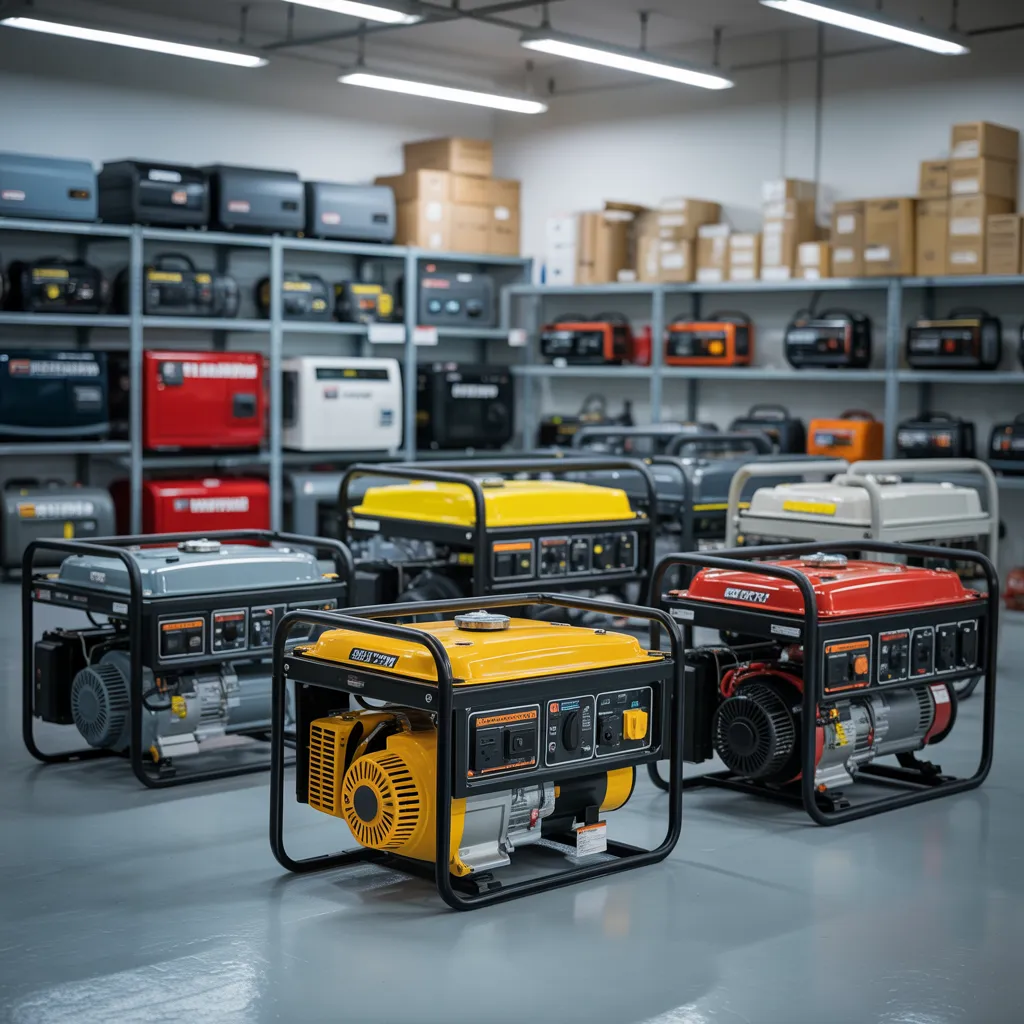
Generators act as vital sources of power across various scenarios, from residential use to industrial applications. They fall broadly into two categories: portable and standby types. Portable generators tend to be smaller units built for temporary use, making them well-suited for camping, tailgating, or emergency backup when power outages occur. These units deliver convenience and versatility, allowing users to easily transport them as needed.
Standby generators, by comparison, are fixed installations that automatically engage whenever a power failure occurs. They are typically integrated into the home's electrical system, offering a smooth transition to backup power. Across these categories, generators are capable of operating on various fuel types, such as gasoline, diesel, propane, or natural gas, with each option carrying its own set of benefits and drawbacks.
Comprehending the different kinds and purposes of electrical generators is crucial for identifying the correct equipment for unique applications, guaranteeing reliability and efficiency in electricity provision.
Understanding Common Generator Concerns
Identifying generator problems early helps avoid additional damage and ensures consistent operation. Common generator problems often manifest as unusual noises, failure to start, or inconsistent power output. When a generator has difficulty starting, it could point to a drained battery, fuel-related problems, or a defective ignition system. Abnormal sounds like grinding or rattling might point to mechanical degradation or loose elements, necessitating urgent assessment.
Voltage irregularities frequently indicate issues related to the electrical regulator or various electrical elements, affecting overall efficiency. Moreover, generators can produce smoke or strong odors, hinting at combustion issues or thermal problems, which require urgent attention. Routinely inspecting fuel levels, oil quality, and air filters can aid in identifying these issues before they escalate. By identifying these common symptoms, generator users can take proactive steps to guarantee their devices continue to perform reliably, ultimately extending its lifespan and reliability.
Essential Maintenance Advice for Extending Your Generator's Lifespan
Servicing a generator is essential for ensuring its longevity and optimal operation. Regular oil maintenance and clean air filters play a significant role in reducing wear and mechanical degradation. Such straightforward maintenance steps can considerably extend the life of the unit, making them essential components of proper maintenance.
Frequent Oil Changes
One of the most essential aspects of generator maintenance is the need for regular oil changes. This process ensures that the engine performs smoothly and reliably by reducing friction and preventing wear. Over time, oil may accumulate dirt, metal particles, and combustion byproducts, resulting in reduced performance and possible damage. It is commonly suggested to replace the oil after each 100-hour operational period or no less than annually, whichever occurs sooner. Selecting the appropriate type and grade of oil, as specified by the manufacturer, is vital for maximum performance. Neglecting this maintenance task can cause overheating, elevated fuel usage, and ultimately, generator breakdown. Consistent oil changes are vital for maximizing the operational life of the generator.
Pure Air Filters
Ensuring clean air filters is essential for optimal generator performance and long-term durability. Air filters stop dust and debris from getting into the engine, which can lead to poor combustion and serious damage. Routine inspection and cleaning of air filters are essential, particularly in dusty environments. It is recommended to check filters every few months and replace them if they show signs of wear or excessive dirt buildup. A well-maintained air filter enhances airflow, boosting fuel efficiency and minimizing engine stress. This simple maintenance task can greatly extend the life of the generator, guaranteeing it runs reliably whenever required. By prioritizing air filter cleanliness, users can safeguard their investment in generator reliability and performance.
A Step-by-Step Guide to Troubleshooting
Addressing generator problems calls for a systematic approach to identify and resolve issues effectively. Begin by checking the power source. If the generator refuses to start, confirm the fuel tank is full and the fuel is uncontaminated. Following that, inspect the oil level; insufficient oil may cause automatic shutdowns. Moving forward, examine the battery connections for deterioration or poor connections. If the generator functions but delivers no output, it is essential to check the circuit breaker and fuses.
Furthermore, check the spark plug for deterioration or damage, as a defective spark plug can interfere with the ignition process. If the unit emits abnormal sounds, this may point to internal problems that warrant additional investigation. Finally, checking the user manual for detailed troubleshooting instructions can supply practical solutions. By implementing these steps, one can methodically diagnose and resolve common generator problems, verifying consistent functionality when necessary.
Observe Safety Guidelines for Generator Repairs
When repairing a generator, adhering to safety precautions is vital to avoid accidents and injuries. To begin, ensure that the generator is powered down and separated from any electrical source. This reduces the chances of electric shock. Using personal protective equipment, like gloves and protective eyewear, can provide additional protection against potential hazards. It is recommended to work in a well-ventilated space to prevent breathing in harmful fumes from fuel or exhaust.
Moreover, storing a fire extinguisher close by is crucial, as generators can pose flammable dangers. Technicians should also be vigilant when handling fuel, making sure that any spills are addressed immediately to avoid slip and fire risks. In closing, having a first aid kit on hand can be valuable in case of minor accidents. By implementing these safety protocols, workers can foster a safer atmosphere while view this performing generator repairs, guaranteeing both their well-being and the integrity of the equipment.
When Is It Time to Call a Professional for Generator Repairs?
Generator maintenance and repairs can frequently be handled by skilled individuals, but particular scenarios call for the knowledge of a qualified expert. Should a generator refuse to start after initial troubleshooting attempts, it may indicate deeper issues that require specialized knowledge. Moreover, ongoing strange sounds or vibrations may indicate mechanical issues that could deteriorate without professional attention.
Electrical failures, such as faulty circuit breakers or melted wires, create substantial safety concerns and should be addressed by a qualified technician. If the generator has fuel or oil leaks, urgent professional intervention is required to prevent potential fire hazards. Additionally, if the generator is still under warranty, performing self-repairs could invalidate the warranty, making certified service the wiser option. Identifying these situations ensures the generator performs optimally and safely, maintaining its durability and performance.
Getting Your Generator Ready for Seasonal Changes
With changing seasons, preparing a generator for different weather conditions is critical to ensure optimal performance. Routine maintenance ought to be planned ahead of seasonal transitions, focusing on tasks that suit the upcoming climate. When preparing for winter, ensuring correct fuel stabilization and battery integrity is crucial, as colder temperatures can affect performance. Furthermore, checking the oil levels and changing filters aids in preventing problems during intensive use.
In contrast, summer preparedness requires inspecting cooling systems, as rising temperatures can result in overheating. Cleaning air filters and inspecting ventilation pathways are fundamental for ideal airflow.
Throughout the year, it is essential to conduct regular load tests on the generator to confirm proper operation. This practice not only detects possible issues but also ensures the unit will perform reliably in critical moments. Additionally, safeguarding the generator from extreme elements, including rain, snow, and moisture, by utilizing proper covers or protective housing can greatly extend its lifespan and maintain efficiency.
Frequently Asked Questions
How Often Do I Need to Run My Generator for Upkeep?
Generators should be run at least once a month for maintenance. Regular operation helps keeping fuel in good condition, lubricates internal components, and detects possible problems, guaranteeing dependable performance when required, thereby prolonging the generator's lifespan.
Can My Generator Be Used Indoors?
Indoor use of generators should always be avoided as a result of the serious carbon monoxide poisoning hazard. Adequate ventilation is absolutely necessary, so they need to be used outside in well-ventilated spaces to guarantee safety and prevent harmful gas accumulation.
What Fuel Is Best for My Generator?
The best fuel for a generator generally consists of gasoline or diesel fuel, depending on the model. Choosing the right fuel provides peak performance, efficiency, and longevity, in addition to accounting for environmental and storage considerations.
How Can I Safely Store My Generator?
For safe generator storage, ensure it's free of dirt and moisture, remove fuel to prevent degradation, protect it with a covering tarp, and place it in a ventilated, dry location clear of flammable materials.
Are Warranties Provided for Generator Repairs?
A number of generator models come with warranty coverage that provide coverage for repair services for designated time periods. Nevertheless, the level of coverage differs between make and model, so it is essential to review the warranty details for details on what repairs are covered.